Shortcut Mala Cumin Lamb for Biang Biang Noodles

BiangBiang5.JPG

To be clear, these are not your traditional or typical Xi’an cumin lamb noodles. If you are looking for a recipe for those, I am afraid you have come to the wrong place (especially since this is not really a recipe at all). I love those noodles too, and have very fond, special memories of trying them for the first time at Xi’an Famous Foods during a solo trip to New York, being blown away about how they somehow exceeded the hype.

But while this recipe is obviously inspired by those flavors, I personally don’t like the idea of trying to replicate a specific restaurant dish at home. Maybe that’s just me. Restaurant cookbooks are gorgeous to look at, but I never buy them. I am happy to accept the reality that the force of my home gas range is never going to replicate that of a restaurants, my 0 days of professional culinary training is not going to produce the same outcome as those who have studied and devoted their lives to the culinary arts. And anyway, I like (liked—before Covid) the idea of going to a restaurant to eat dishes that are wholly different from what I can cook myself at home.

So I am calling this my Cumin Lamb Noodles, but they are very different cumin lamb noodles from what you’ve likely to experienced in a restaurant before. They are a sort of hybrid of a Xi’an-inspired dish and the texture of bolognese but also heavy on the mala (numbing spicy) associated with Szechuan cuisine. Using ground lamb means not worrying about sliced meat getting tough and overcooked, and it almost becomes a part of the sauce—something that can cling to those wide swaths of noodles. I use this storebought mala hot pot mix (link) for the base of the sauce because I am not an expert at Chinese spice blends in the slightest and this is a shortcut recipe, after all.

I really do recommend that you make your own wide biang biang noodles for this (recipe here) but if you are too lazy or don’t have time, I totally get it. Due to their short-lived nature, I have never seen biang biang noodles sold at the Asian grocery store before, so if you are looking for a storebought alternative to use with this sauce, I recommend buying fresh pappardelle.

The recipe below is awkwardly vague because I really don’t believe in measuring when it comes to sauces for noodles. Let it guide you in your interest in making a Xi’an x Szechuan x bolognese hybrid, but be sure to adjust the seasoning to your taste.

BiangBiang7.JPG

Awkwardly Vague instructions for Ground Lamb Cumin Noodles

Ingredients

3/4 lb ground lamb
1/2 small onion, sliced
lots of chopped garlic
lots of cumin
salt
a squeeze of tomato paste
~ 1 oz Szechuan mala hot pot base (like this one)
a heaping tablespoon of gochugaru
avocado oil
cilantro, for garnish
raw hand pulled noodles

Procedure

In a wok, heat oil and stirfry onions. Add lamb and garlic. Season with pinch of salt, lots of cumin. Squeeze in some tomato paste and mix everything together.

Heat some oil (1/6 cup-ish) in separate pot until almost smoking.

At the same time, turn down wok to low heat and cook biang biang noodles in pot of boiling water as described in the noodle recipe.

Add cooked noodles on top of lamb.

Add Szechuan hot pot sauce and gochugaru. Pour hot oil on top of gochugaru.

Toss to combine. Garnish with cilantro.

BiangBiang4.JPG

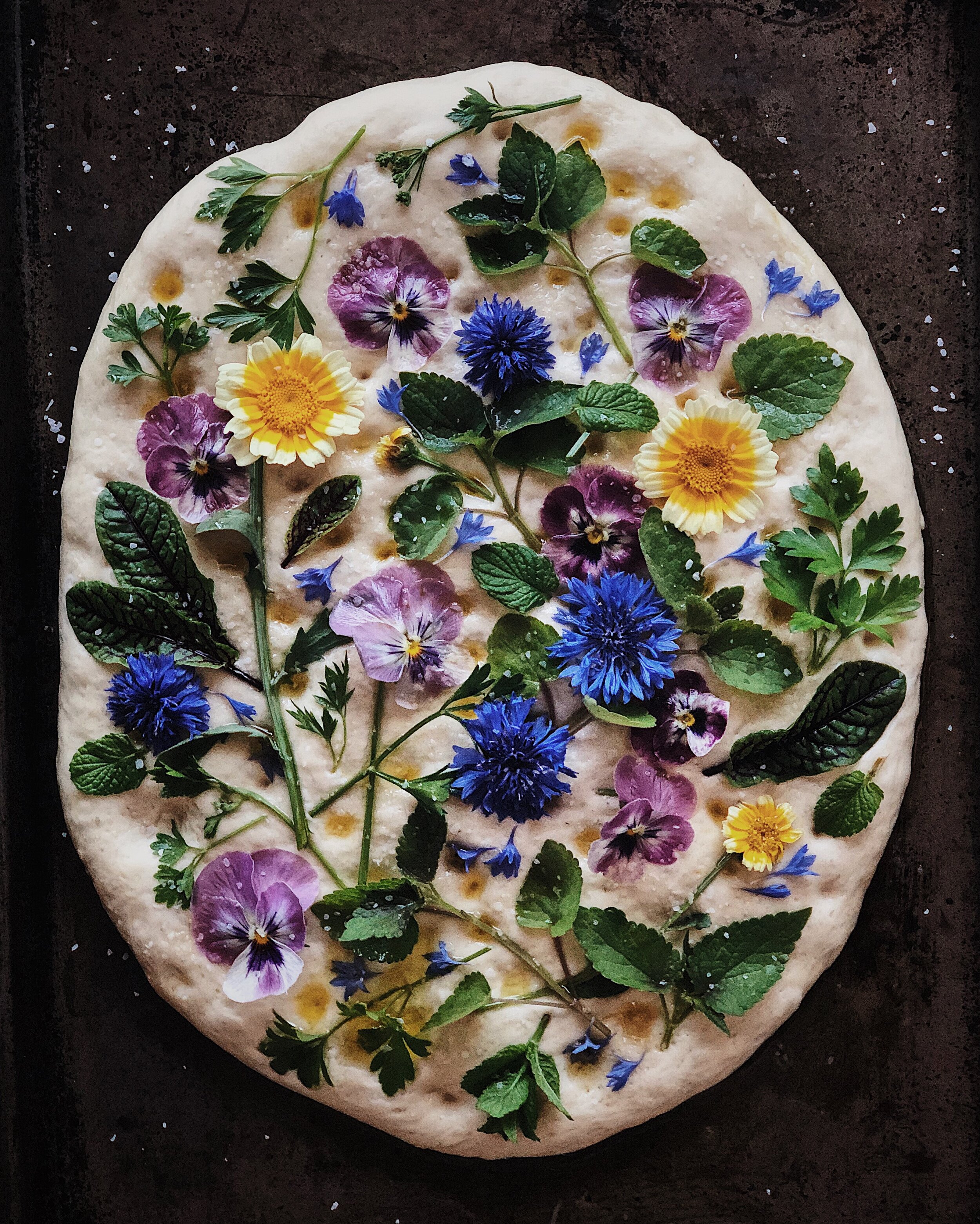
Focaccia Garden

377E3F49-8ED4-490D-A76B-BFA302386EF4.JPG

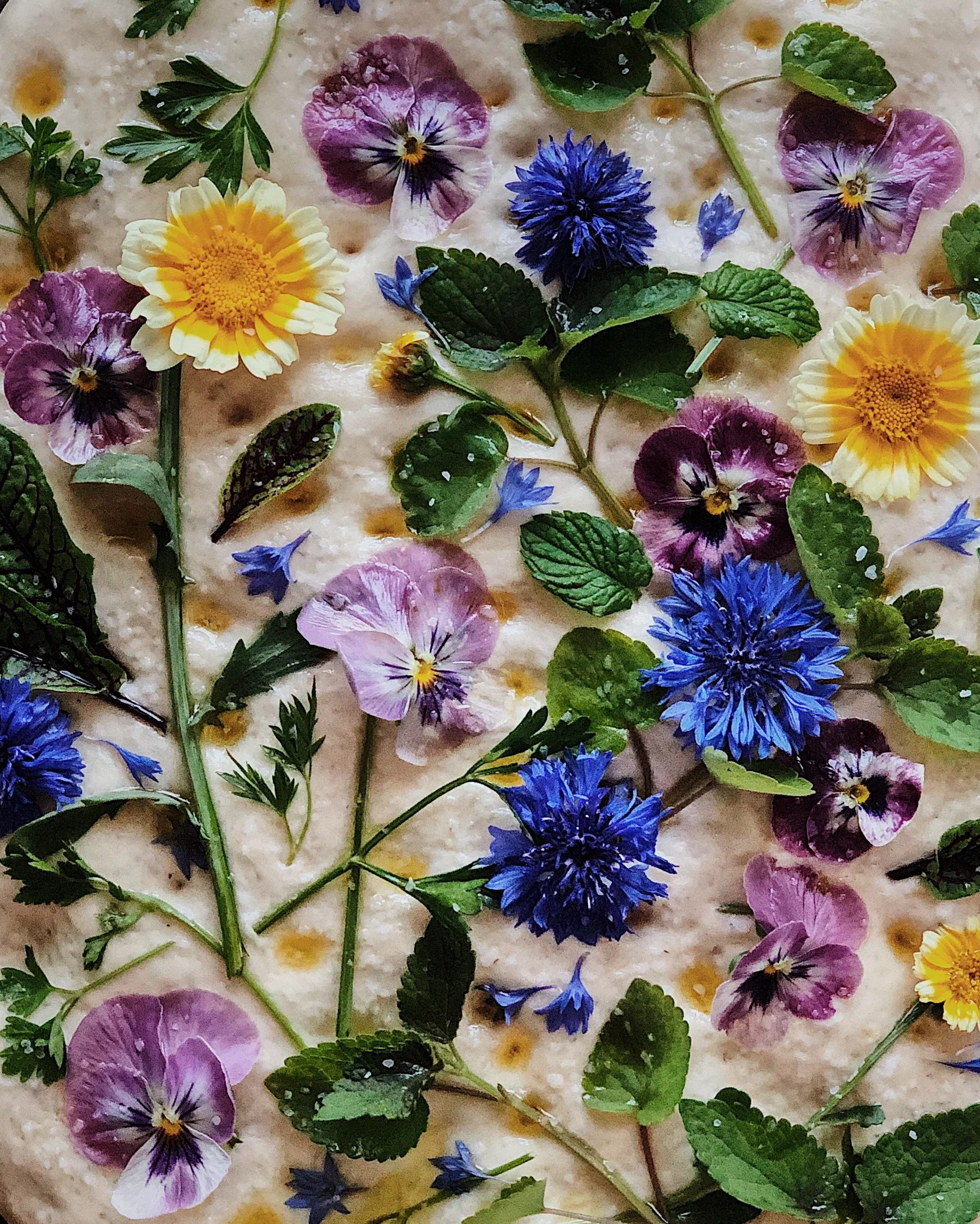
Really quite proud of this “focaccia garden” that I made the other day. I gathered a little pile of clippings from my backyard garden to decorate it, which included crown daisies, violas, bachelors buttons, parsley, mint, sorrel, and anise hyssop.

Here is the recipe I used for the focaccia, but for this version I did the following modifications:

  • After the dough’s first proof, pour some olive oil onto a baking sheet. Shape the dough into an oval on the sheet, cover it with a damp kitchen towel, and let it proof for 20 minutes more.

  • After poking holes in the dough and drizzling with olive oil, decorate the dough with the edible flowers and herbs before sprinkling coarse kosher salt over the surface instead of everything seasoning.

Here’s what it looked like before baking:

D3D7FDC0-FE70-43C7-9CEB-26C2FCC5E8EF.JPG

Birria Taco Slow Cooker Hack

If you follow me on Instagram you know that I am a proponent of the old school slow cooker. I know that kids are all about the Instant Pot these days, but I also know that an Instant Pot is just a smartly-branded pressure cooker, and those things are still terrifying to me. I, however, am perfectly willing to trust that I can turn on my slow cooker and go out and leave it unsupervised in my house all day, and I’ll come home to delicious, tender stew and a house that smells amazing but hasn’t been blown up.

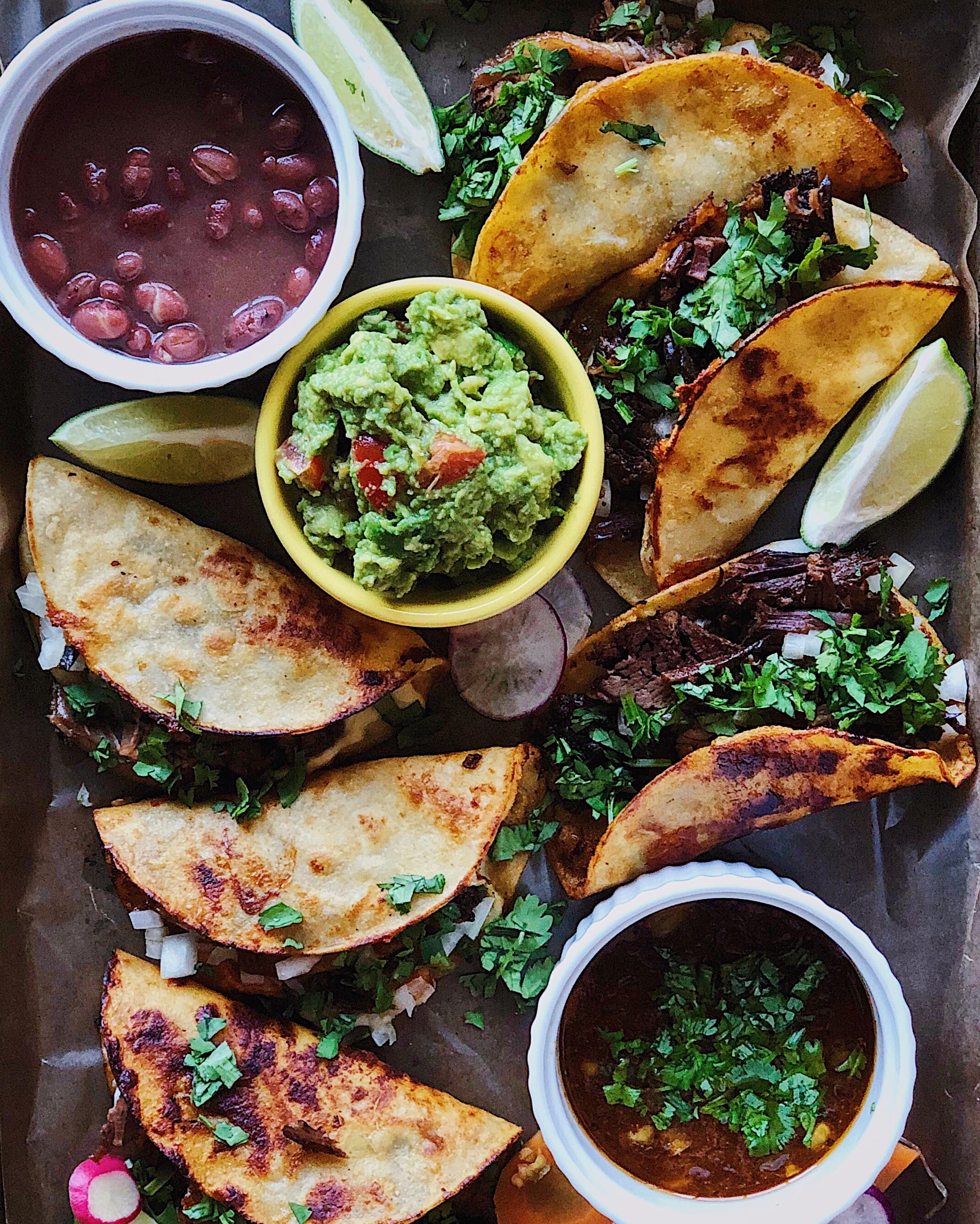
When I make any sort of meat in my slow cooker, I always make enough for at least two meals, and one of those meals is always tacos. But I recently realized that said slow cooker meat could not be more perfect for birria tacos. “Birria” refers to a type of meat stew in Mexican cuisine, but apparently the hot new thing for the taco scene here in California is birria tacos, in which the corn tortillas are dunked in the glorious meat liquid of the stew before being stuffed with the tender meat and lightly crisped on the griddle/comal. There’s a taqueria near my house that takes it ones step further into the realm of awesome and melts a layer of cheese onto the tortilla before stuffing it. That’s the version that I recreated here.

In this episode of awkwardly vague recipes, I’ll attempt to explain how it did it. Also, please excuse the sub-par photos, which were only meant to be used for my Insta Stories before I started to get questions about how to make them.

How to Make Easy Birria Tacos from Leftover Stew

Simmer your leftover stewed meat and braising liquid/broth from your earlier slow cooker or Instant Pot adventure. I made this with brisket that had been stewed in a homemade BBQ sauce that had some notes of Mexican seasonings (mainly, canned chipotles in adobo sauce) but I honestly think it will work with most stews, and you can always add some taco-appropriate hot sauce at this step.

Heat up a non-stick flat griddle, which will stand in for a comal. Take a corn tortilla, fully coat it in the broth, and place it on the griddle. Top it with shredded cheese—I recommend mozzarella, jack, quesillo, or queso chihuahua.

Once the cheese just starts to melt, flip the tortilla and cook the cheese to your desired level of golden brown.

Flip the tortilla back over, top with stewed meat. Fold in half to form the taco and continue to cook until the tortilla shell reaches the desired level of crisp.

Serve with chopped cilantro and onion.


Easy Chili Oil Noodles

Welcome to the first installment of a series I am going to call “Awkwardly Vague Recipes by Lily Morello”. Most of the time, I don’t measure when I am just cooking for myself/my household, so when anyone asks me how I made something, this generally sums up the nature of my trying to recall and explain what I did after the fact. Except now people actually want to recreate the dishes that I share on my Instagram account, so I know I really need to get better at, at least, taking notes while I cook.

The problem is, some recipes are really not meant to be confined to a strict recipe. At least not with measurements and a specific order of operations, or any of those details. A lot of cooking involves seasoning and balancing flavors to taste—to match the preferences of the chef, or the eater. I may like things spicier or more sour than the next person, and I’m not going to be the one to dictate how much seasoning to put in a sauce for someone with different seasoning preferences than mine. In these cases, awkwardly vague is the only way to go.

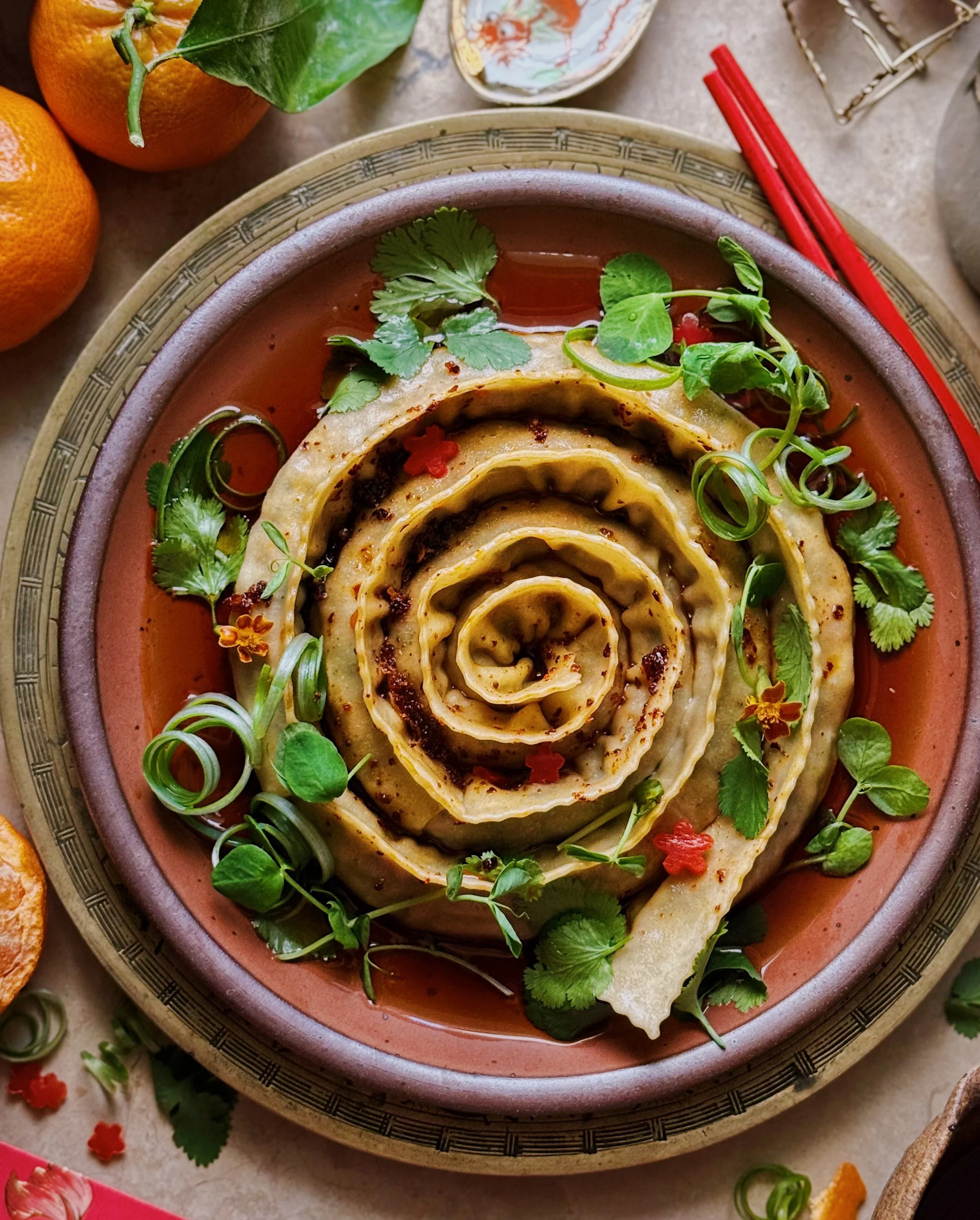
I put together this recipe as a last minute idea for a Lunar New Year themed dish. I happened to have Hokkien-style noodles already open in my fridge, so that is what ended up in the dish. I grew up eating noodles at celebrations to promote longevity, and golden-colored things for prosperity, so I think these noodles fit perfectly in the Lunar New Year spirit.

This time, I took photos to help visualize all the unmeasured ingredients (please ignore the reflection of my camera mount). But seriously, feel free to add more or less depending on what you like!

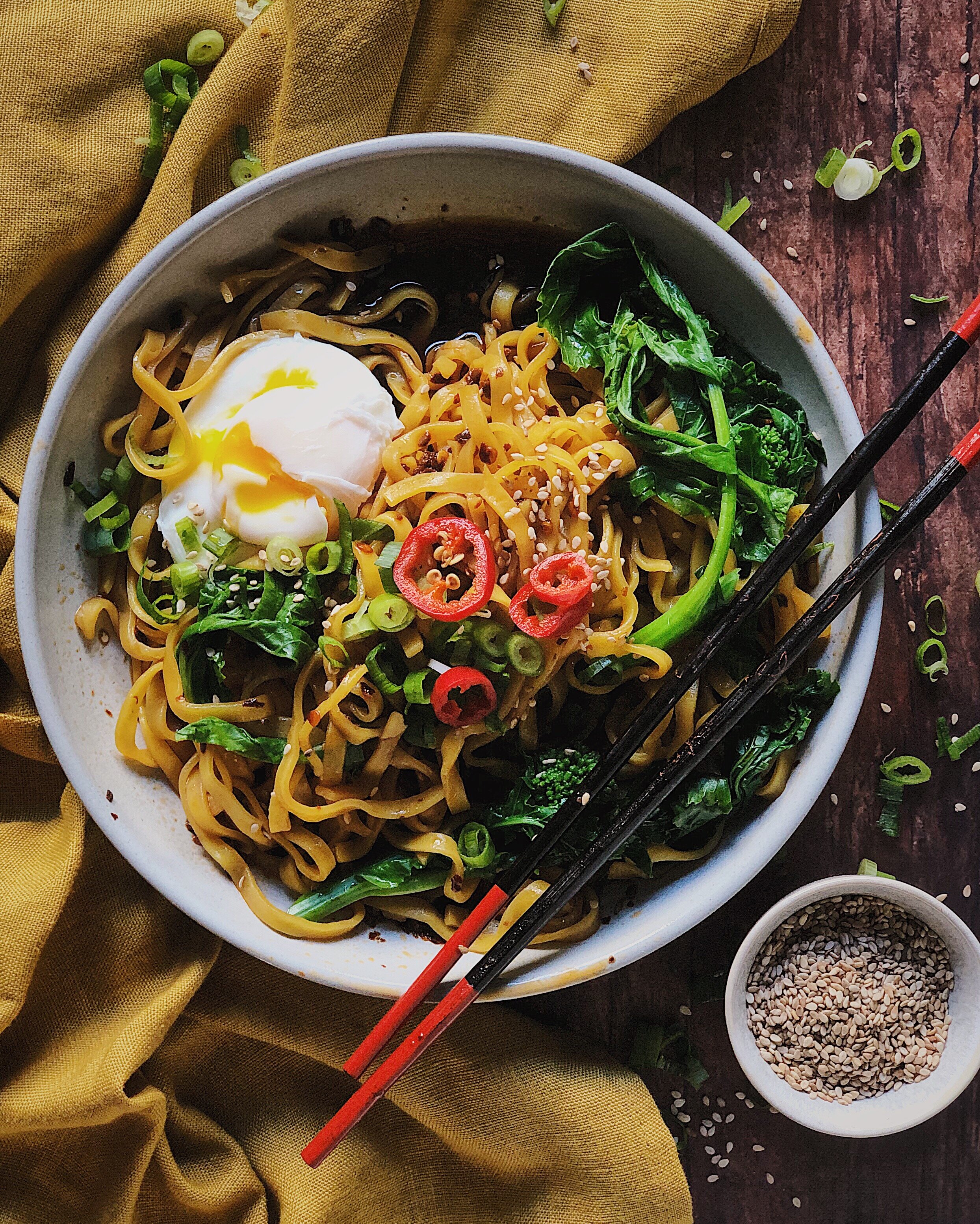
How to Make Super Easy Chili Oil Noodles

Get a pot of water boiling. You can use this for your noodles, and any vegetables you feel like blanching to include in the dish.

Select a bowl from which you’d like to eat your noodles. You’ll be able to mix the sauce and eat out of the same bowl, so there’s fewer dishes to be done! To that bowl, add some black vinegar, a scoop of chili oil, some sesame oil, and a drizzle of kecap manis (Indonesian dark sweet soy sauce).

4BE49FC7-B5CB-43F4-AA86-C9E5FD8E3931.JPG
C5D5186A-C095-4295-971A-F1D2C2E7CCEB.JPG

Mix everything together to make your sauce.

Add your piping hot noodles to the bowl, and mix everything together. You can really use any noodles you like, as long as you know how to cook them to the texture you desire. You could even use pasta!

0A409228-AFC3-48CD-864F-275D5D6C340E.JPG

That’s honestly it. At this point, you could add blanched vegetables (I used broccoli rabe), or a poached egg, or whatever toppings and mix-ins you desire. Maybe add a flourish of chopped scallions or herbs, or a dash of sesame seeds for garnish if you are plating it for the ‘gram, but otherwise, there are really no rules. Just yummy, spicy, tangy, sweet noodles.